Skip to content

Table of Contents
Not every wrinkle or facial change develops for the same reason, which is why there is no single injectable that works for every concern. Some lines appear because facial muscles repeatedly contract over the years, while others become more noticeable as collagen, fat, and structural support gradually decline. Understanding the cause of the change is the first step toward selecting the most appropriate treatment.
If you have been comparing Botox vs fillers, this guide explains how each treatment works, the concerns they address, expected results, and how a personalized consultation can help determine the best option for your goals.
Can I receive Botox and dermal fillers during the same appointment?
Yes, many patients receive both treatments during one visit if their treatment plan includes both muscle relaxation and volume restoration.
The Short Answer: Which Treatment Is Right for You?
When comparing Botox vs fillers, the answer depends on the type of concern you want to improve rather than which treatment is considered “better.”
Botox for dynamic wrinkles is commonly recommended for expression lines caused by repeated muscle movement, such as forehead lines, crow’s feet, and frown lines. Dermal fillers are typically chosen for restoring facial volume, enhancing contours, or softening deeper folds that remain visible even when the face is at rest. In many cases, combining both treatments provides a more balanced approach because facial aging involves several changes occurring at the same time.
Why Botox and Dermal Fillers Work Differently
Although both are injectable treatments, they target different causes of facial aging.
Botox works by temporarily relaxing selected muscles responsible for repetitive facial expressions. As those muscles become less active, the skin above them has an opportunity to smooth out, making expression lines appear softer over time.
Dermal fillers work beneath the skin by restoring lost volume or enhancing facial contours. They help support areas that have gradually become flatter or less defined due to natural aging.
This distinction makes it easier to understand why Botox vs fillers for wrinkles is not always a straightforward comparison. The treatment depends on what is creating the wrinkle in the first place.
Understanding What Causes Facial Aging
Many people assume every wrinkle develops from aging skin alone, but several changes contribute to facial aging over time.
Muscle movement creates expression lines that become more noticeable after years of smiling, squinting, and frowning. At the same time, collagen production slows, reducing the skin’s firmness and elasticity. Fat pads that once supported the cheeks and temples gradually shift or shrink, while bone structure also changes subtly with age.
These combined changes explain why some concerns respond better to muscle relaxation while others require restored facial support through fillers for volume loss.
7 Signs That Can Help You Decide Between Botox and Fillers
Choosing between injectable treatments becomes easier when you identify your primary concern.
1. Your wrinkles appear when you smile or frown.
Expression lines that become more visible during facial movement often respond well to Botox for dynamic wrinkles.
2. Your cheeks look flatter than they used to.
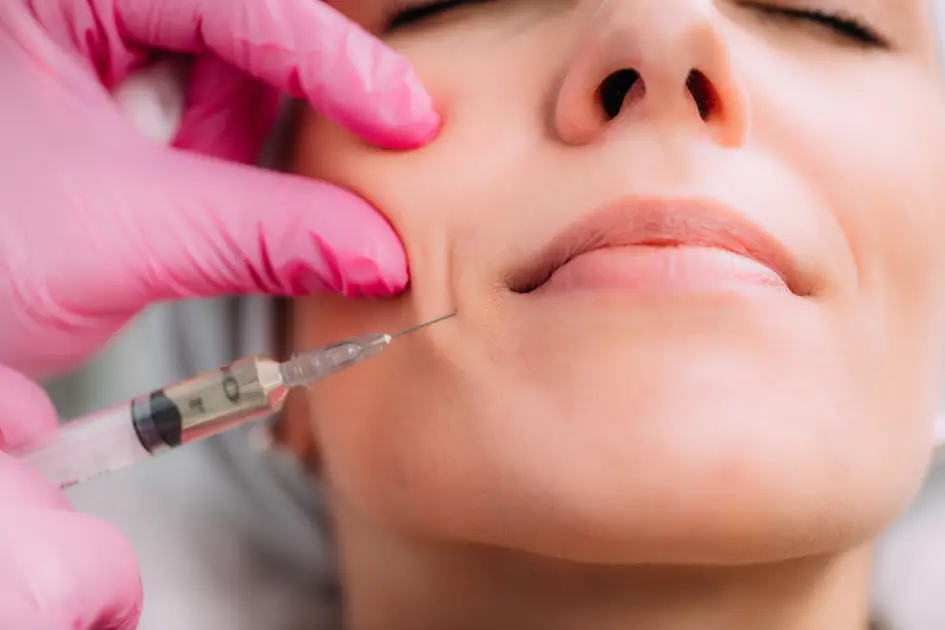
Volume loss in the mid-face is often better addressed with dermal fillers designed to restore facial support.
3. Your forehead lines remain your biggest concern.
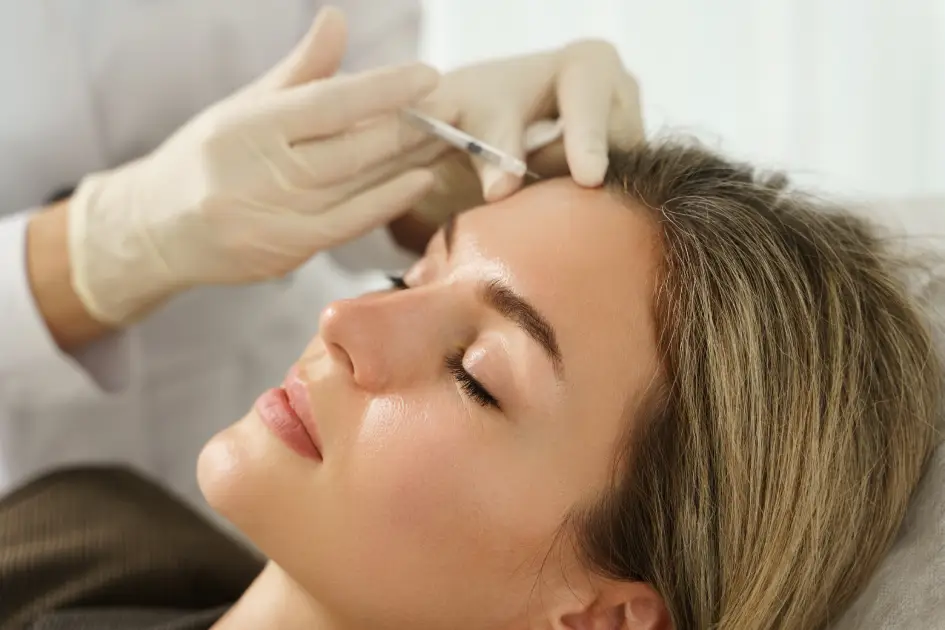
Botox is commonly used for forehead lines because these wrinkles develop from repeated muscle activity.
4. Your lips have become thinner over time.
Dermal fillers may enhance lip volume while maintaining natural facial proportions.
5. Deep smile lines remain even when your face is relaxed.
Static folds are generally associated with volume changes rather than muscle movement, making fillers a common treatment option.
6. You notice jaw tension along with facial lines.
Botox may also be recommended for patients experiencing jaw clenching or muscle-related tension in addition to cosmetic concerns.
7. You have more than one aging concern.
Many patients benefit from combining treatments after a professional evaluation because different facial areas often age in different ways.
Comparing Botox and Dermal Fillers Side by Side
Understanding the differences can make your decision much easier.
| Feature | Botox | Dermal Fillers |
| Primary Purpose | Muscle relaxation | Volume restoration |
| Best For | Dynamic wrinkles | Volume loss and facial contouring |
| Common Areas | Forehead, crow’s feet, frown lines | Cheeks, lips, chin, jawline, smile lines |
| Results | Gradually appear over several days | Often visible immediately, with final results becoming clearer as initial swelling settles |
| Longevity | Several months | Varies depending on the product and treatment area |
Patients researching Botox vs fillers treatment areas often discover that the treatments complement one another rather than compete.
Understanding Botox vs Fillers Cost and Results Timeline
Two common questions involve pricing and how quickly improvements become noticeable.
When discussing Botox vs fillers cost, there is no universal answer because pricing depends on factors such as the amount of product used, the treatment area, and your personalized treatment plan. Botox is generally priced by the unit, while dermal fillers are commonly priced by the syringe. A consultation provides the most accurate estimate based on your goals.
Another consideration is the Botox vs fillers results timeline.
Botox typically develops gradually over the first several days after treatment as the targeted muscles begin to relax. Dermal fillers often provide immediate improvement in volume, although mild swelling can temporarily affect the final appearance during the first few days.
Understanding these differences helps set realistic expectations before treatment.
Can Botox and Dermal Fillers Be Used Together?
Patients often ask, which is better Botox or fillers, but the question can sometimes overlook an important fact.
Many faces benefit from addressing both muscle movement and volume changes simultaneously. Someone may have forehead lines caused by facial expressions while also noticing flatter cheeks or thinning lips. Treating only one concern may leave other visible signs of aging unchanged.
A customized treatment plan may combine Botox with dermal fillers when appropriate to create balanced, natural-looking improvements while preserving facial expression.
Beauty by Jitka Botox in Long Beach, CA
Small facial changes often happen gradually, making them easy to overlook until they become more noticeable in photos or everyday conversations. Fine lines, persistent jaw tension, and subtle shifts in facial balance are concerns many patients bring to their consultations.
At Beauty by Jitka, Jitka Zavadilova, RN, creates individualized treatment plans based on each patient’s facial anatomy, concerns, and aesthetic goals instead of following a standard approach. Every consultation begins with understanding what you hope to improve before recommending Botox in Long Beach, CA, dermal fillers, or a combination of treatments when appropriate. The goal is always to achieve refreshed, balanced results that still look like you.
Frequently Asked Questions
How do I know if my wrinkles need Botox or fillers?
Wrinkles caused by facial movement often respond to Botox, while deeper folds related to volume loss may be better suited for dermal fillers.
How long do Botox and dermal filler results typically last?
Botox generally lasts several months, while dermal filler longevity varies depending on the product used and the treatment area.
Are consultations necessary before injectable treatments?
Yes, a consultation helps determine the most appropriate treatment based on your facial anatomy, goals, and medical history.